Wilma Rudolph
From a leg brace to three Olympic golds. As a child Wilma Rudolph wore a leg brace after polio. At the 1960 Rome Olympics she won three gold medals and became the fastest woman in the world.
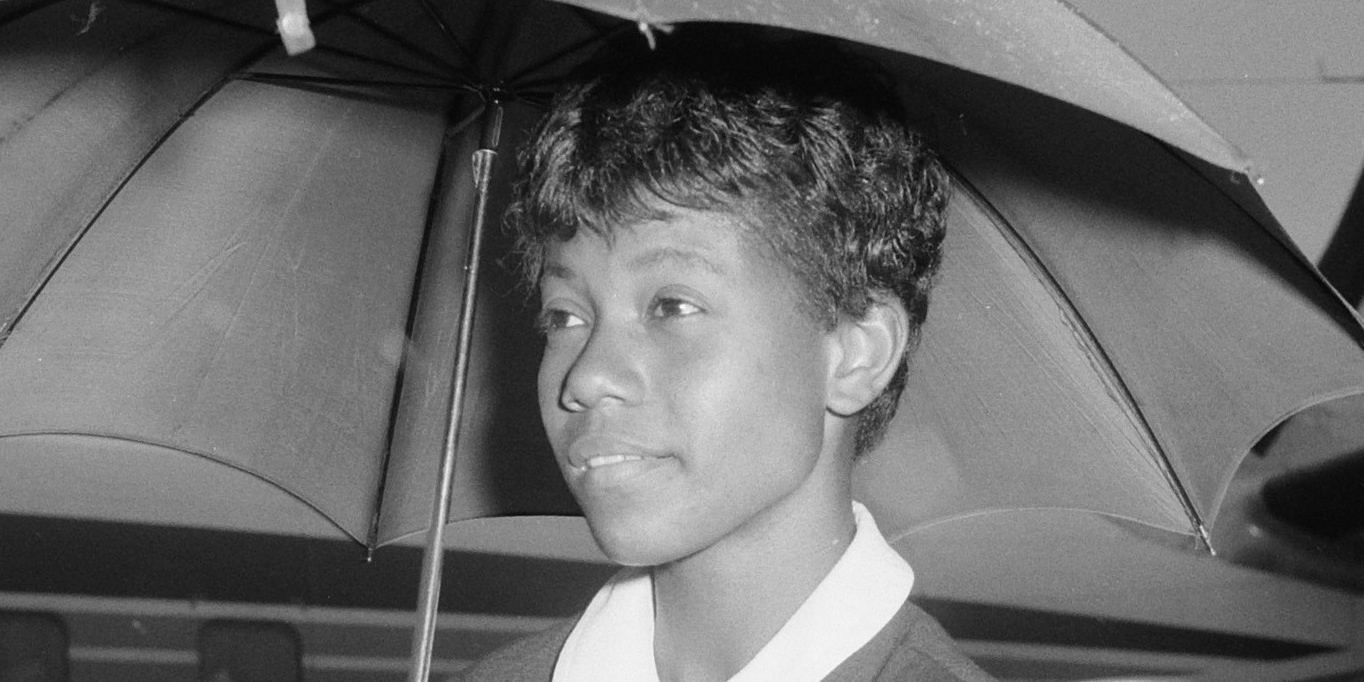
Wilma Rudolph, 1960: Lindeboom, Henk / Anefo, CC BY-SA 3.0 nl
A hard start
Wilma Rudolph was the 20th of 22 children in a family in Clarksville, Tennessee. She was born early and small, and as a young child she survived scarlet fever, pneumonia and polio. The polio left her left leg weak and twisted, and she wore a metal brace for years.
Her family took turns massaging her leg every day, and her mother drove her about 50 miles each way for treatment. By about age 12 she could walk without the brace. Soon she was playing basketball with a speed that caught the eye of Ed Temple, the track coach at Tennessee State University.
The Tigerbelles
Temple's Tennessee State team, known as the Tigerbelles, was one of the best women's track programmes in the world. Rudolph trained with them while still in high school, and at just 16 she made the United States team for the 1956 Olympics in Melbourne. She ran on the 4 x 100 metres relay and came home with a bronze medal.
That medal made her hungry. Over the next four years she grew into a tall, smooth sprinter with a long stride that seemed to eat up the track.
Rome, 1960
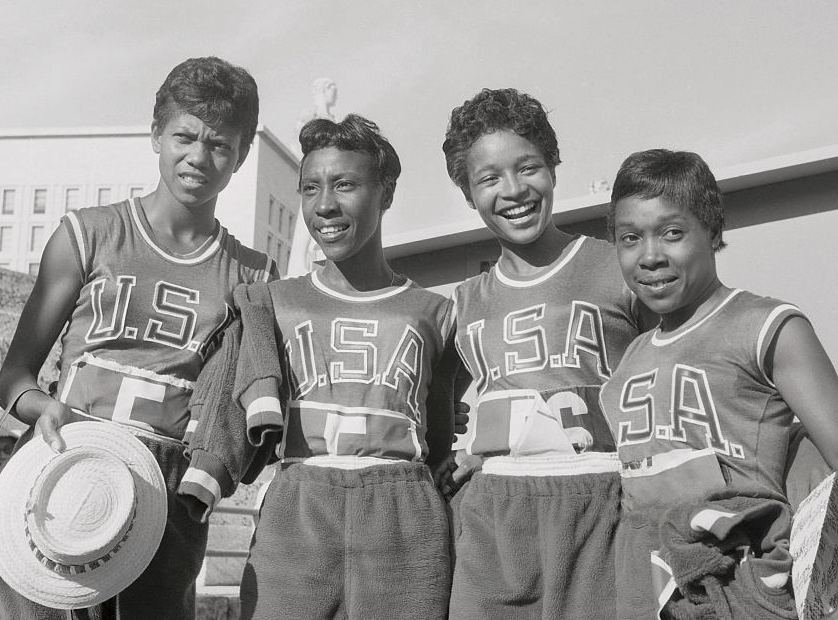
At the 1960 Olympics in Rome, Rudolph won the 100 metres by a wide margin and then won the 200 metres. In the 4 x 100 metres relay final, running the anchor leg with three Tennessee State teammates, she bobbled the baton handoff, lost ground and then ran down the field to win. She became the first American woman to win three gold medals in track and field at a single Olympics.
European fans and reporters adored her. She was given nicknames like the Black Gazelle, and she was one of the biggest stars of the Games.
A lasting legacy
When Rudolph came home, she insisted that her homecoming parade and banquet in Clarksville be open to everyone, Black and white, and they became the first integrated public events in the town's history. She later worked as a teacher and coach and started a foundation to help young athletes. Her story still shows that where you start does not decide where you finish.
Rudolph retired from competition in 1962, aged just 22 and still at the top. Her life story was told in a 1977 television film, and she died of cancer in 1994 at the age of 54.
- Wilma Rudolph, 1960: Lindeboom, Henk / Anefo, CC BY-SA 3.0 nl
- The 1960 relay team: Unknown (ANSA.it), Public domain
Text written by Shining Champion.