Breaking the Two-Hour Marathon
From a Vienna park to London. Eliud Kipchoge ran 1:59:40 in Vienna in 2019, then Sabastian Sawe broke two hours in a real race at London 2026. How the barrier finally fell.
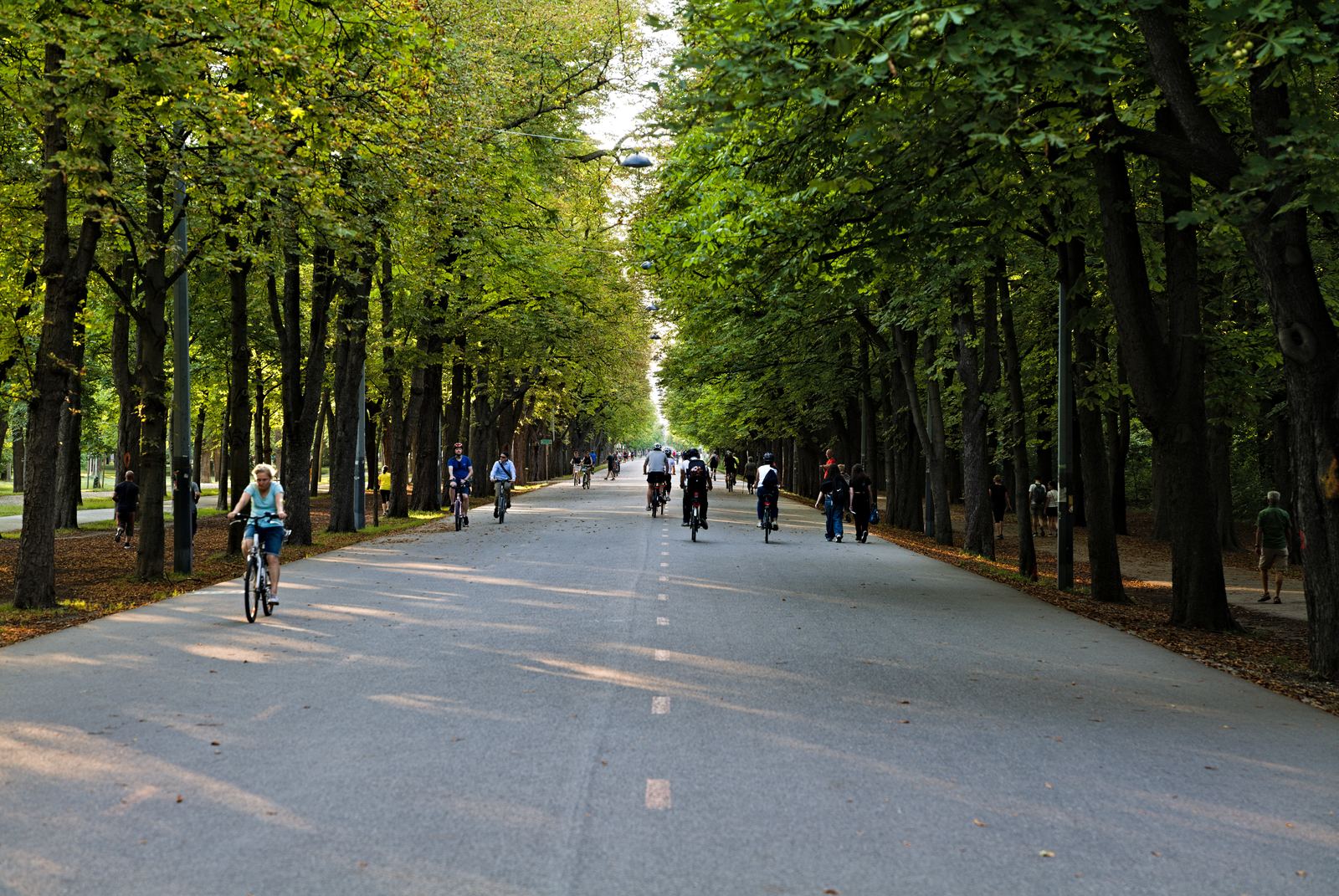
The Prater Hauptallee: Leonhard Lenz, CC0
Why two hours mattered
Running a marathon in under two hours means averaging about 2 minutes 50 seconds for every kilometre, for more than 42 kilometres. For years experts argued about whether a human could do it, and some predictions pointed to the 2030s or later.
Kenya's Eliud Kipchoge, the Olympic champion in 2016 and 2021, became the face of the challenge. In 2017 he tried at the Monza motor racing circuit in Italy with a team of pacers and missed by just 25 seconds, finishing in 2:00:25.
Vienna, October 2019
Two years later he tried again on the Hauptallee, a long, flat avenue in Vienna's Prater park. On 12 October 2019 he ran laps of the course behind rotating groups of pacemakers, 41 runners in all, in a tight formation around him, with drinks handed to him from a bicycle.
He crossed the line in 1:59:40, the first time anyone had covered the marathon distance in under two hours. Because of the pacing and support, it could not count as an official world record, and it was never meant to. It was a demonstration that the barrier could be broken.
The official record keeps falling
Kipchoge also lowered the official record in real races, running 2:01:39 in Berlin in 2018 and 2:01:09 there in 2022. Improvements in training, racing shoes and pacing in big city marathons kept pushing times down.
Then, on 26 April 2026 at the London Marathon, Kenya's Sabastian Sawe ran 1:59:30, the first sub-two-hour marathon in a record-eligible race. Ethiopia's Yomif Kejelcha finished second in 1:59:41 in his marathon debut, so two men broke the barrier on the same day.
What it teaches the rest of us
Both runs were built on patience. Kipchoge is famous for running even splits and staying relaxed, and the two-hour story shows how small gains in pacing, fuelling and gear add up over a long distance.
For everyday runners the lesson is the same at any speed: start steady, practise drinking on the move, and trust training done over months rather than days.
Two races, two kinds of history
Vienna and London answered different questions. Vienna showed that a human body could cover 42.195 kilometres in under two hours when everything was arranged perfectly. London showed it could happen in an open race, against rivals, on a normal city course.
Both moments needed the other. Kipchoge's run made the goal believable, and a new generation of runners then turned it into a race result.
Text written by Shining Champion.