LeMond's Eight-Second Tour
The closest finish in Tour history. Two years after a near-fatal accident, Greg LeMond won the 1989 Tour de France by eight seconds on the final day. The closest Tour finish ever.
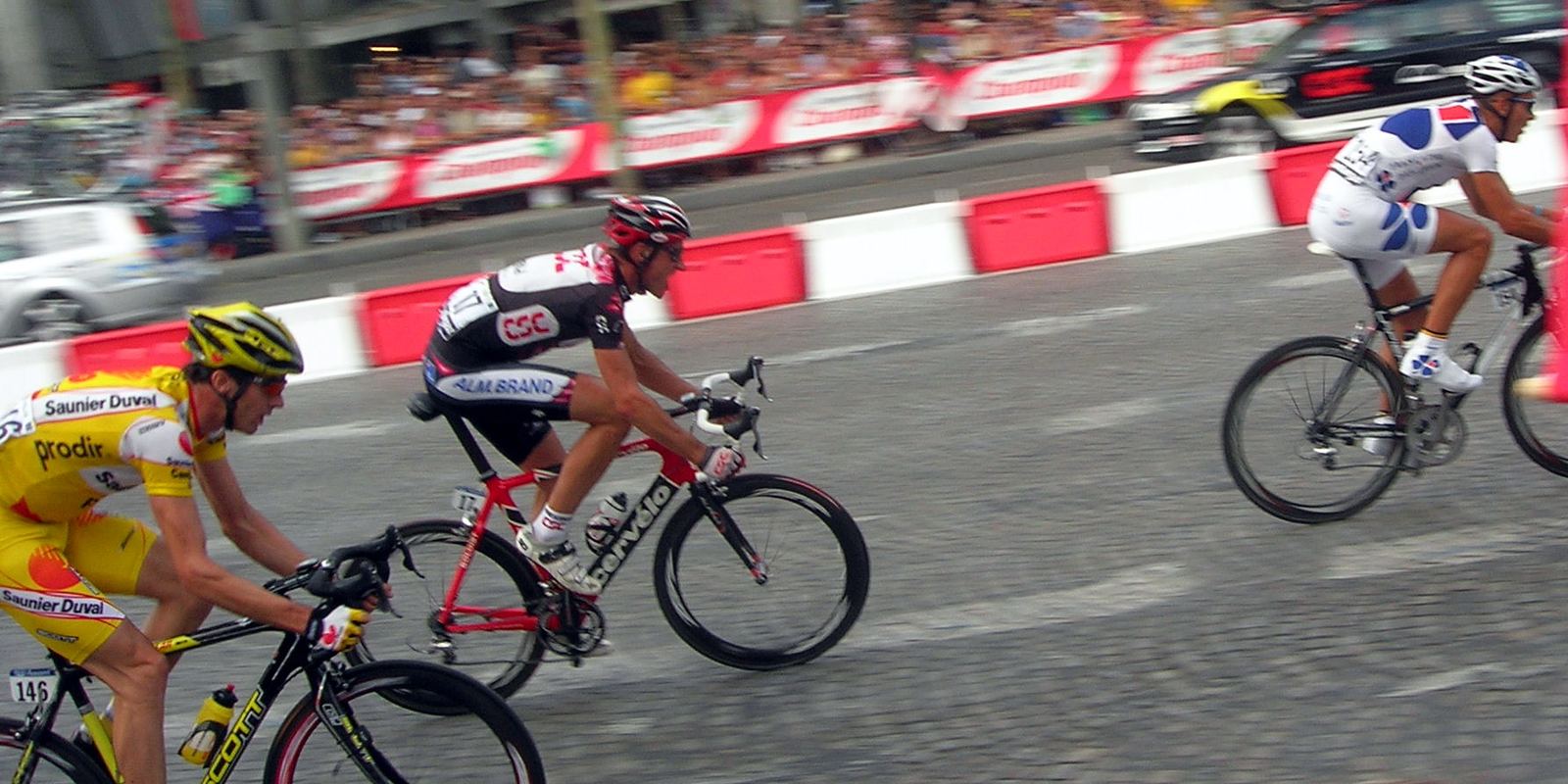
The Champs-Elysees finish: Flickr member Malias, CC BY 2.0
From champion to long shot
In 1986 Greg LeMond became the first rider from outside Europe to win the Tour de France. A few months later, in the spring of 1987, he was accidentally shot while out hunting with relatives in California. He lost a large amount of blood and doctors later told him he had been close to dying.
He needed two operations and missed the Tour in both 1987 and 1988. Dozens of tiny pellets stayed in his body for good. By early 1989 his form was so poor that he told his wife he might retire after that summer.
A surprise contender
LeMond came to the 1989 Tour hoping for a top 20 finish. Instead he rode a strong opening time trial, won a long time trial stage in the first week and wore the yellow jersey. For three weeks he swapped the lead with Laurent Fignon of France, a two-time Tour winner.
When Fignon attacked on the climb to Alpe d'Huez, LeMond could not follow. Going into the last day, Fignon led by 50 seconds. The final stage was a short time trial from Versailles to the Champs-Elysees in Paris, and almost nobody thought 50 seconds could be erased over 24.5 kilometres.
The fastest time trial yet
LeMond had spent the winter testing his riding position in a wind tunnel. He rode with clip-on aero bars, a rear disc wheel and an aero helmet, tucked low, and told his team car not to give him time checks so he would simply ride flat out.
He averaged about 54.5 kilometres per hour, then the fastest time trial in Tour history. Fignon, riding without aero bars, lost time on every kilometre. When the clocks were compared, LeMond had won the Tour by eight seconds, still the smallest winning margin ever.
A season to remember
A month later LeMond also won the world road race championship in Chambery, France, beating a strong group in a sprint. He won the Tour again in 1990, finishing with three Tour titles.
His bikes also helped change the sport. LeMond was an early user of carbon fibre frames, and aero bars soon became standard in time trials around the world.
Why aerodynamics won the day
At racing speeds, most of a cyclist's effort goes into pushing air out of the way. A lower, narrower position can save more time than a lighter bike, especially on a flat time trial.
LeMond's aero bars let him stretch forward with his elbows close together, cutting drag. Fignon used two disc wheels but rode without aero bars or a helmet. Over 24.5 kilometres, that difference added up to more than the 50 seconds he had to give back.
- The Champs-Elysees finish: Flickr member Malias, CC BY 2.0
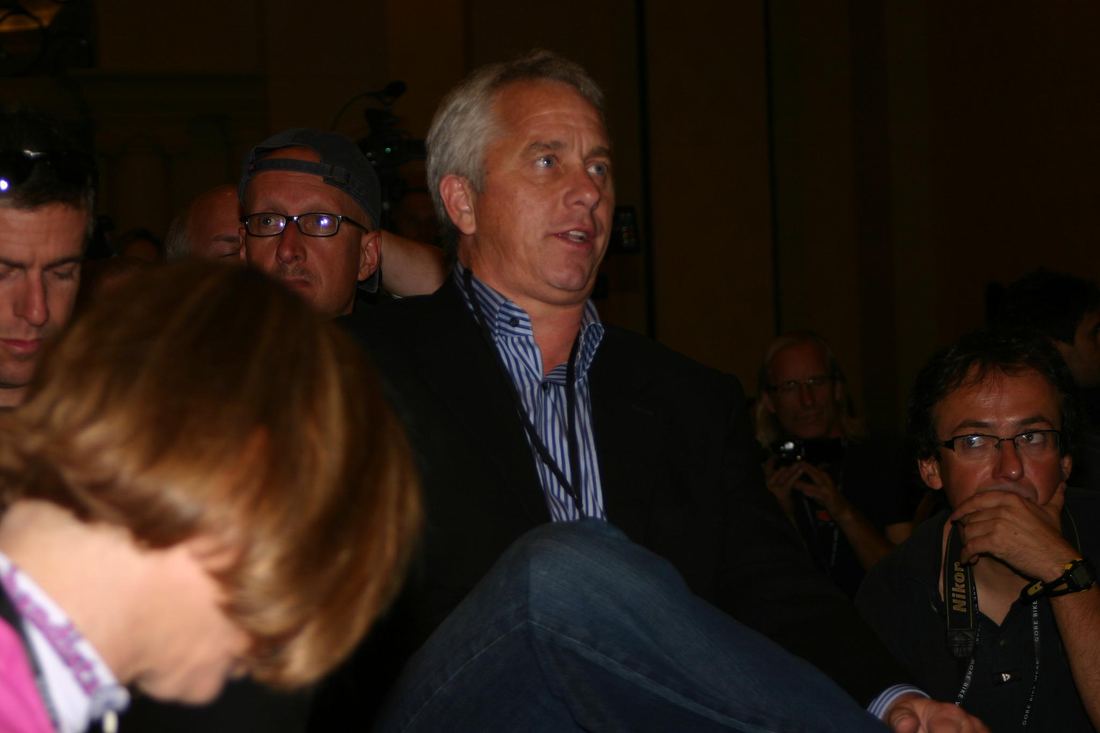
- Greg LeMond: Richard Masoner, CC BY-SA 2.0
Text written by Shining Champion.