Gertrude Ederle's Channel Swim
The first woman to swim the English Channel. In August 1926 Gertrude Ederle swam from France to England in 14 hours and 39 minutes, the first woman to do it and nearly two hours faster than any man.
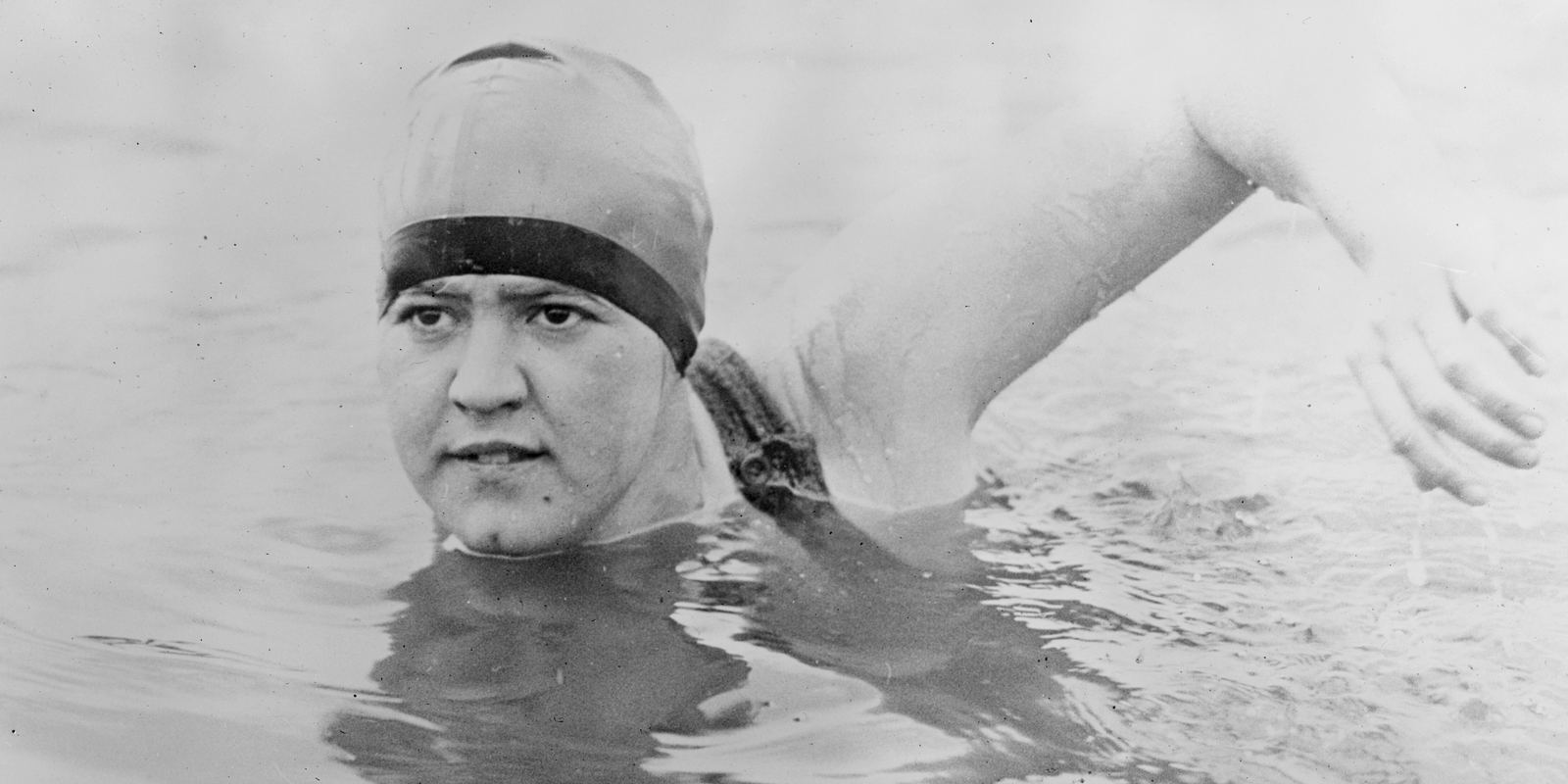
Gertrude Ederle: Bain News Service, publisher, Public domain
A swimmer from Manhattan
Gertrude Ederle learned to swim at her family's summer cottage in New Jersey and joined the Women's Swimming Association in New York, a club that produced many champions. As a teenager she set world records in freestyle events, and at the 1924 Paris Olympics she won a gold medal in the 4 x 100 metres freestyle relay and bronze medals in the 100 and 400 metres.
At the time, only five men had ever swum the English Channel, about 34 kilometres in a straight line across cold, rough water with strong tides.
Her father ran a butcher shop in Manhattan, and the family spent summers by the sea in New Jersey.
The first try
In 1925 Ederle attempted the crossing and was pulled from the water by her trainer, who thought she was in trouble. She insisted she was fine and was furious. She changed trainers and spent the next year preparing again.
She wore a two-piece suit she had designed to move more freely, coated her body in grease against the cold and wore goggles sealed with paraffin wax. She swam the crawl, the fast stroke used by sprinters, rather than the slower breaststroke most long-distance swimmers used.
6 August 1926
Ederle entered the water at Cap Gris-Nez in France early that morning. Storms rolled in during the afternoon, and the tides pushed her far off a straight course, so she swam an estimated 56 kilometres. At one point her trainer called for her to come out, and she shouted back a question: what for?
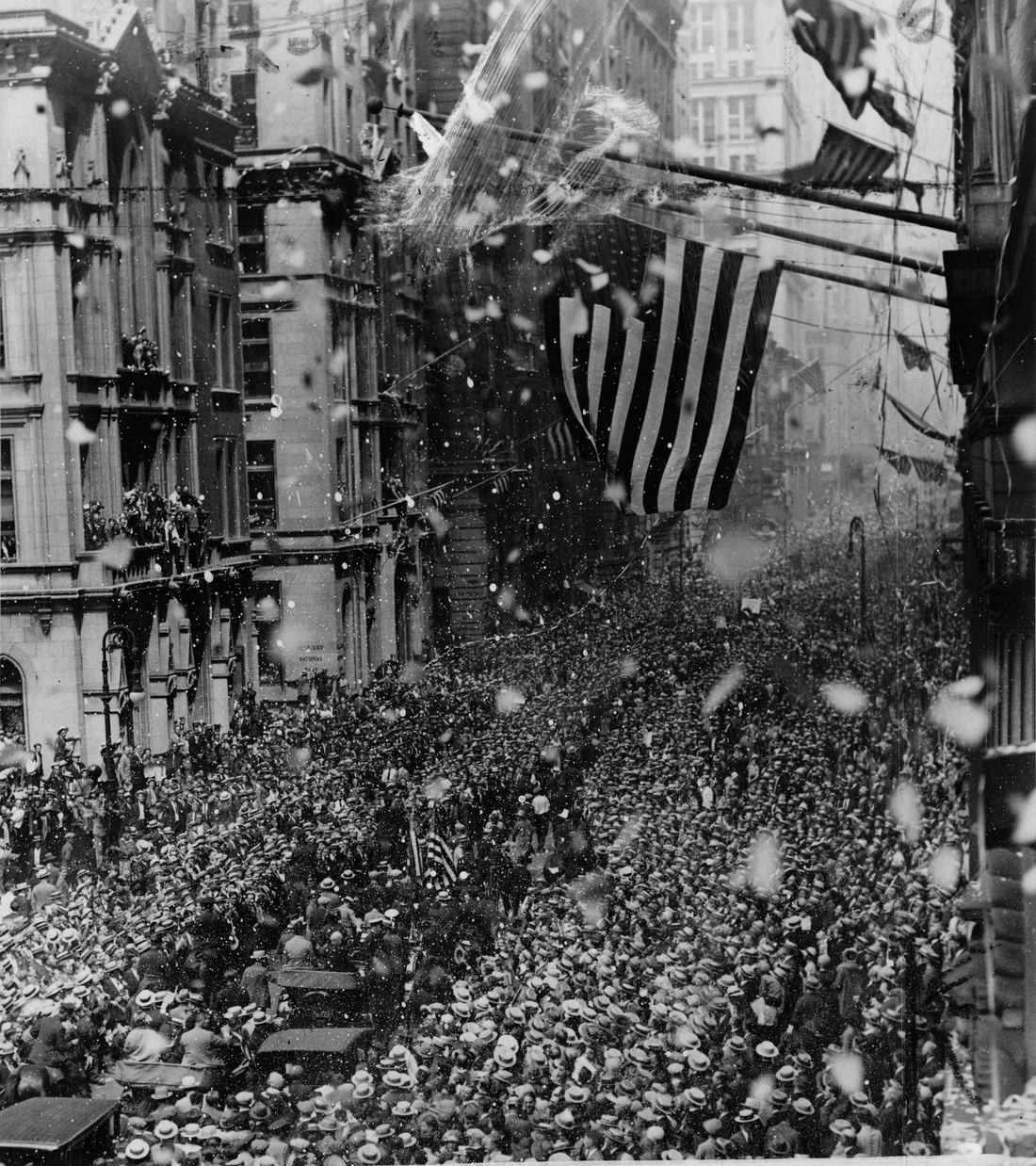
She walked ashore at Kingsdown, near Dover, after 14 hours and 39 minutes. She had beaten the men's record by nearly two hours. Back in New York she was greeted with a huge ticker-tape parade.
Her sister Margaret was on the support boat, and her father had promised her a red roadster car if she made it.
Her legacy
Ederle's swim came at a time when many people still believed women were too delicate for extreme sport. She proved them wrong in the most public way possible. Her hearing, already weak from childhood illness, worsened over the years, and she later taught swimming to deaf children. Every open water swimmer today follows her wake.
After the swim she toured in vaudeville shows, swimming in a tank on stage. A bad back injury in 1933 kept her in a cast for years, but she recovered and swam again at the 1939 New York World's Fair.
- Gertrude Ederle: Bain News Service, publisher, Public domain
- Her New York parade: New York World-Telegram and the Sun staff photographer, Public domain
Text written by Shining Champion.